THEMES & SPEAKERS
An exciting line up of programme will include distinguished plenary and keynote speakers, industry-based workshops, research presentations and a plethora of networking opportunities as we expect to attract participants from the regional countries and worldwide.
Keep pace with innovation and discover new technologies, emerging methods and trending topics in the areas of:

AI in Food Science and Advanced Food Processing:
- AI in food systems
- Green technology & engineering for food processing & packaging
- Side Stream valorisation & upcycling
- Other relevant topics

Food Bioactives, Biopolymers and Nanotechnology:
- Food bioactive constituents
- Food biopolymers
- Nanotechnology in food system and health
- Other relevant topics

Food Microbiology and Fermentation:
- Fermentation
- Gut microbiome
- Flavour and Sensory science
- Food Microbiology

Human Nutrition & Functional Foods:
- Nutrition
- Functional foods and Nutraceuticals
- Food as Medicine
- Clinical study
- Other relevant topics

Sustainable Protein and Future Foods:
- Sustainable Protein
- Cellular agriculture
- Future foods
- Consumer Study

Food Safety:
- Climate Risk to Consumers: Emerging Food Safety Risks
PLENARY SPEAKERS
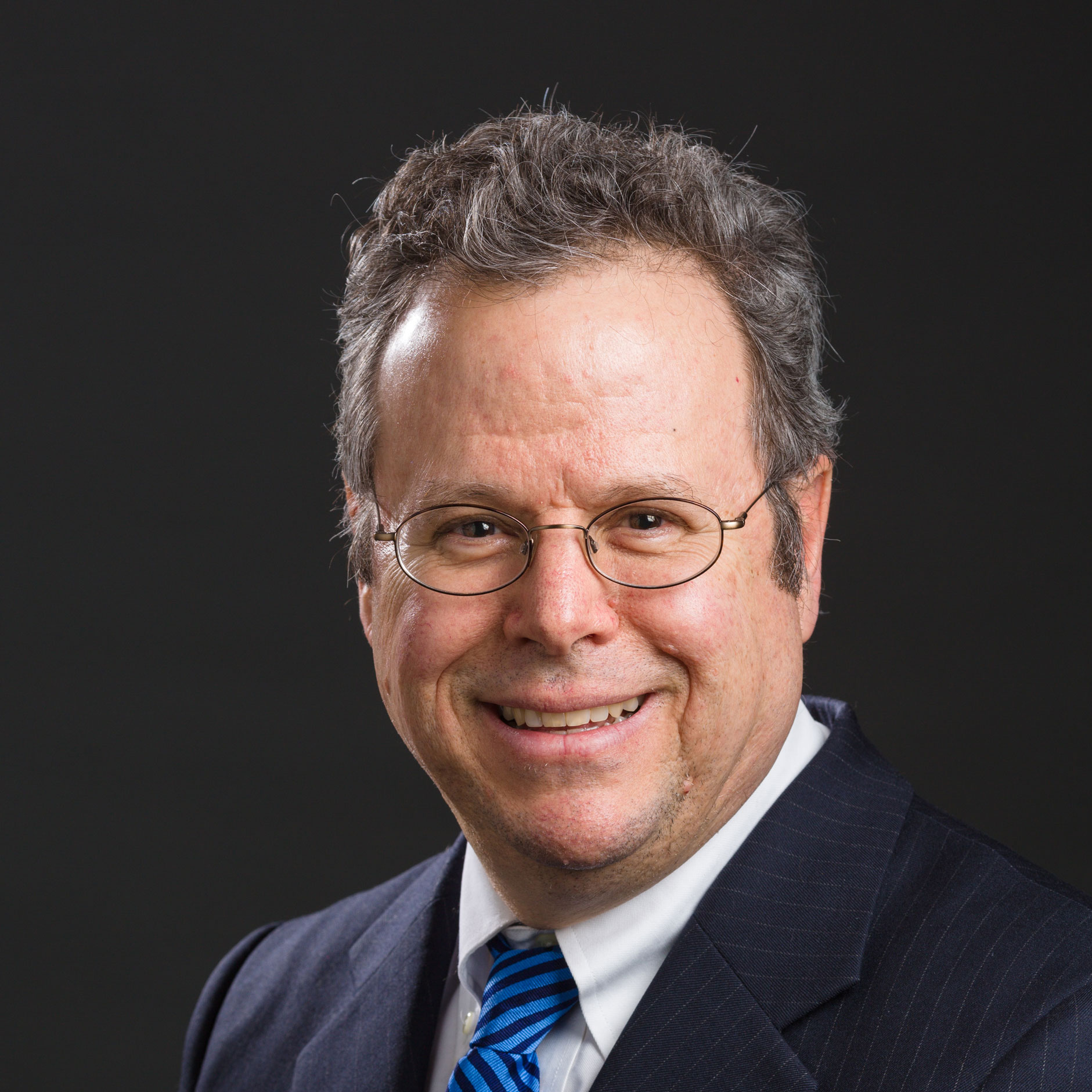
Yale School of Public Health
Member of the U.S. National Academy of Medicine (Elected in 2019)
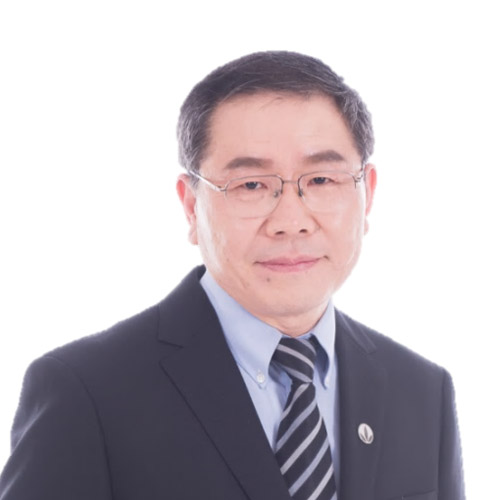
Fellow of the American Chemical Society
Fellow of the Royal Society of Chemistry
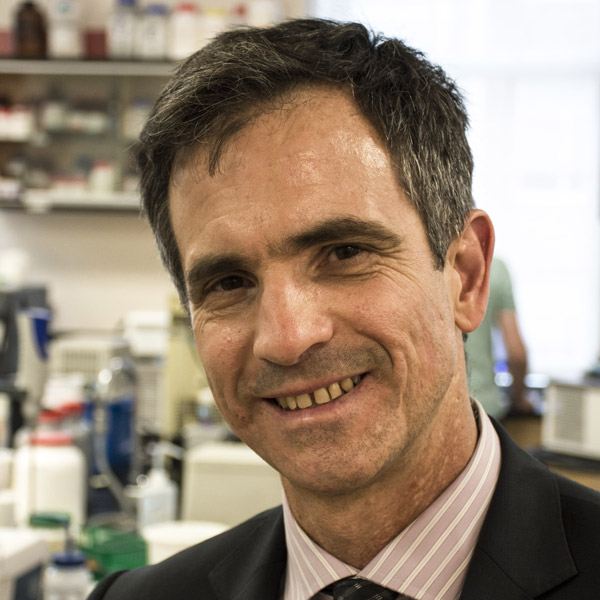
University of Guelph, Canada
Officer of the Order of Canada
Order of Ontario
Fellow of the Royal Society of Canada
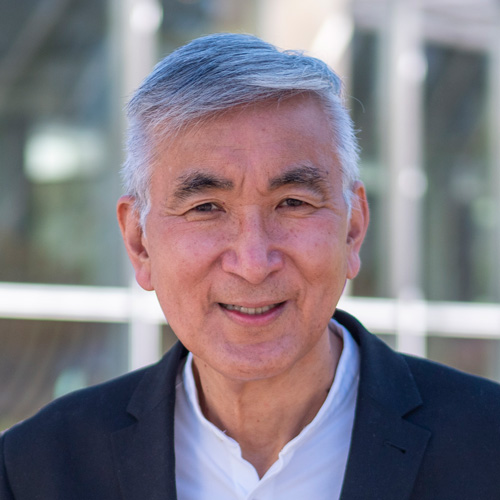
University of Alberta
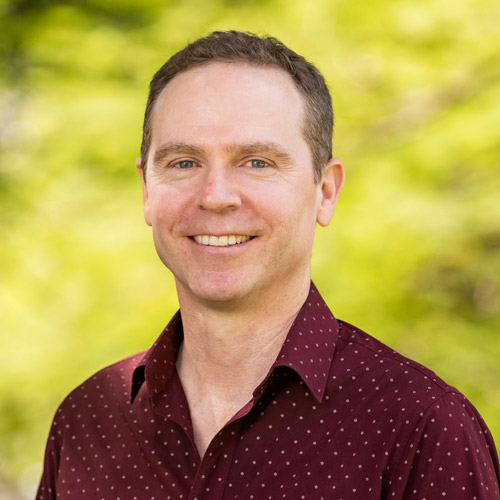
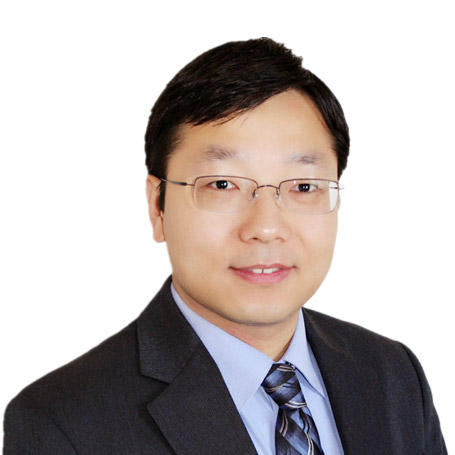

Rafael Pérez-Escamilla
Professor of Public Health
Founding Director, Maternal and Child Health Promotion Program
Yale School of Public Health
Member of the U.S. National Academy of Medicine (Elected in 2019)
Dr. Rafael Pérez-Escamilla is a tenured Professor at the Yale School of Public Health and the founding Director of the Maternal and Child Health Promotion Program. He specializes in maternal and child public health nutrition and integrated early childhood development. His team’s work has contributed to large-scale improvements in maternal, infant, and young child nutrition, as well as early childhood development, across the globe.
His research has highlighted the importance of placing women, infants, and young children at the center of efforts to mitigate the impacts of climate change on food, nutrition, and water insecurity. He has published over 380 peer-reviewed articles, guest-edited 15 journal supplements, and authored numerous book chapters and technical reports.
Dr. Pérez-Escamilla was a member of the Executive Committee and a co-author of the 2016 Lancet Early Childhood Development Series and the 2023 Lancet Breastfeeding Series. He is currently contributing to the 2026 Lancet Series on Maternal, Infant, and Young Child Food Insecurity. He also served as an expert member and co-author of the recently published National Academies of Sciences, Engineering, and Medicine (NASEM) consensus study report on breastfeeding in the United States.
He has served as a senior advisor to the U.S. Centers for Disease Control and Prevention (CDC), as well as to the U.S. Departments of Agriculture and Health and Human Services and the U.S. Food and Drug Administration. Internationally, he has advised several United Nations agencies, including the World Health Organization (WHO), UNICEF, and the Food and Agriculture Organization (FAO), in addition to foundations and governments across multiple world regions.
Dr. Pérez-Escamilla has delivered over 450 invited lectures worldwide and has received numerous prestigious honors. These include election to the U.S. National Academy of Medicine in 2019; being awarded a Doctor Honoris Causa by the Universidad de Guadalajara, Mexico, in 2016; and receiving from the American Society for Nutrition both the Lifetime Achievement Award in Global Nutrition in 2020 and the Distinguished Fellow recognition in 2025.
Title:
Impact of Dietary Choices on Human and Planetary Health in the Context of Climate Change
Synopsis:
This talk will illustrate how dietary choices affect the global carbon and water footprint based on the Eat-Lancet Commission modeling work. It will also identify and describe the dietary patterns that are healthier for people and the planet. It will conclude with implications of these findings for the development of equitable and sustainable dietary guidelines and corresponding policies.
Chen Zhen Yu
Choh-Ming Li Professor of Life Sciences
Chinese University of Hong Kong
Fellow of the American Chemical Society
Fellow of the Royal Society of Chemistry
Dr. Zhen-Yu CHEN is currently professor at School of Food Science in Guangdong Pharmaceutical University. He used to be Choh-Ming Li Chair professor at School of Life Sciences, The Chinese University of Hong Kong. He obtained his PhD degree from the University of Massachusetts at Amherst. Professor Chen has published more than 300 SCI papers with a total citation of >23000 times and an H-index of 86. Professor Chen is the former Associate Editor of Journal of Agricultural and Food Chemistry. Professor Chen is currently Editor of Food Chemistry, Associate Editor of Phytomedicine, Associate Editor of Food Reviews International, and Senior Editor of Food & Medicine Homology. He also serves as a member of the Editorial Boards including Journal of Functional Foods, Food & Function, Food Science and Human Wellness, Biomedical and Environmental Sciences, and Acta Nutrimenta Sinica. Professor Chen has received several awards including the Advancement of Application of Agricultural and Food Chemistry Award from the American Chemical Society, the High Education Outstanding Scientific Research Output Award for Natural Science from the China Ministry of Education, and the Medal of Honour (MH) from Hong Kong SAR Government in recognition of his contributions to the promotion of food safety and protection of public health. Professor Chen is also the Fellow of American Chemical Society (Agricultural and Food Chemistry Division, USA) the Fellow of Royal Society of Chemistry (UK), and the Fellow of International Society of Nutraceuticals and Functional Foods.
Title:
Revisit the Issue on Cholesterol and Heart Disease: What a Food Chemist Can Do
Synopsis:
Heart disease is the number killer in the world. A holistic approach is to emphasize dietary patterns, reduce dietary cholesterol and saturated fats, and manage "bad" LDL cholesterol through functional foods. What a food chemist can do is to turn these guidelines into accessible and palatable products by(1)Formulating with Functional Bioactives: Integrating plant sterols/stanols (which compete with cholesterol for absorption) into daily foods like margarines, yogurts, and spreads to provide a 10% reduction in LDL-C; (2) Incorporating Viscous Soluble Fiber: Enhancing products with oat β-glucan or psyllium to form a gel in the gut, binding cholesterol-rich bile acids and forcing the liver to use blood cholesterol to produce bile acids; (3) "Stealth Health" and Ingredient Substitution: Replacing saturated fats (butter, lard) with polyunsaturated or monounsaturated fats (seed oils, olive oil) and replacing refined ingredients with high-fiber alternatives to reduce atherogenic potential; (4) Microencapsulation Technology: Using advanced coating techniques to mask the strong flavors or textures of beneficial ingredients, such as adding fish oil (omega-3) or garlic extract to bread without affecting taste; (5) Developing Natural Inhibitors: Identifying and utilizing food-derived compounds like red yeast rice (containing monacolin K) to inhibit HMG-CoA reductase (cholesterol synthesis) in the liver. The present paper is to summarize the literature and our own research about the research progress in the cholesterol-lowering functional foods with focus on phytosterols. The following applications of phytosterols in foods will be discussed including: (i) synthesis of phytosterol esters by esterification and transesterification with hydrophobic fatty acids to improve their oil solubility; (ii) synthesis of phytosterol derivatives by coupling with various hydrophilic moieties to enhance their water solubility; and (iii) mechanisms by which why phytosterols and cholesterol are differently absorbed in the small intestine.Alejandro G. Marangoni
Professor
Professor and Canada Research Chair
University of Guelph, Canada
Officer of the Order of Canada
Order of Ontario
Fellow of the Royal Society of Canada
Dr. Alejandro G. Marangoni is a Professor and Tier I Canada Research Chair in Food, Health and Aging at the University of Guelph, Canada. His work concentrates on the relationship between the multiscale physical structure of food materials and their functionality, in the context of nutrition, quality, sustainability and cost. Marangoni is especially known for his work and contributions on lipids. He is the Editor in Chief of both Elsevier’s Current Opinion and Current Research in Food Science. He has founded and commercialized several technology platforms. Dr. Marangoni was elected Fellow of the Royal Society of Canada in 2018, an Officer of the Order of Canada in 2021 and appointed a member to the Order of Ontario in 2025.
Title:
Gelation of Oils Using Polymers to Control Lipid Bioavailability and Lipophilic Bioactive Delivery
Synopsis:
The structuring of edible oils into soft solid materials without the use of saturated or trans fats has emerged as an important strategy for the development of healthier lipid-based foods and nutraceutical delivery systems. Among the different approaches to oil structuring, oleogelation using polymers represents a particularly promising route due to its ability to generate stable, tunable networks capable of modulating both mechanical and digestive properties. This presentation will review the fundamentals of oleogelation and focus on our extensive work on ethylcellulose (EC) oleogels, the only direct polymeric oleogelator currently approved for food use worldwide.
The physical chemistry of EC oleogelation, including polymer–oil interactions, network formation, rheological behavior, and microstructure development, will be discussed together with strategies to tailor gel properties through plasticization using surfactants and fatty acids. Particular emphasis will be placed on the emerging concept of controlling lipid digestion and absorption through oil structuring. Human feeding studies demonstrated that EC oleogels can dramatically suppress post-prandial triglyceride excursions, suggesting the possibility of regulating lipid bioavailability through structural design, analogous to the glycemic index concept for carbohydrates. In addition, EC oleogels have shown strong potential as delivery systems for lipophilic bioactives such as β-carotene, significantly slowing release and micellar incorporation under in vitro digestion conditions, particularly at high bioactive loadings.
Recent work has also demonstrated the potential of EC oleogels as structured inks for three-dimensional food printing and advanced food manufacturing. Depending on oil polarity and co-surfactant composition, these systems can exhibit highly tunable thixotropic and shear-recovery behavior, enabling controlled deposition, shape retention, and textural customization in printed lipid-based foods. Collectively, these findings position polymeric oleogels as a versatile platform for designing next-generation functional lipid systems with improved nutritional, structural, and delivery characteristics.

Rickey Yada
Professor and Dean
Faculty of Agricultural, Life and Environmental Sciences
University of Alberta
Dr. Rickey Yada is Professor and Dean, Faculty of Agricultural, Environmental and Life Sciences (University of Alberta). From 2014 to 2024, he was Dean of the Faculty of Land and Food Systems (University of British Columbia). Prior to UBC, Dr. Yada was at the University of Guelph including Chair, Department of Food Science, Assistant Vice President Research, Canada Research Chair in Food Protein Structure, and Scientific Director of the Advanced Foods and Materials Network (Networks of Centres of Excellence Canada).
Dr. Yada is a co-editor of Trends in Food Science and Technology and serves on the editorial boards of several journals. He is an advisor to other Boards of research and industry organizations, such as the Canadian Agri-Food Automation and Intelligence Network, Canadian Food Innovation Network and Saltagen Ventures Limited (Hong Kong). Other positions include Technical Advisor, CDL Rockies; Advisory Committee Member at Arrell Food Institute; Member of the Scientific Advisory Panels: Riddet Institute (New Zealand) and Sydney Institute of Agriculture (University of Sydney, Australia).
Dr. Yada is the Past President of the Deans Council of the Faculties of Agriculture, Food and Veterinary Medicine in Canada; Past President and Fellow of the Canadian Institute of Food Science and Technology, and the International Academy of the International Union of Food Science and Technology; as well as a Fellow of the Institute of Food Technologists, and Agricultural and Food Chemistry Division (American Chemical Society). Dr. Yada has an honorary DSc (University of Guelph) and Pro Scientia et Humanitate Medal (University of Life Sciences in Lublin, Poland).
Title:
The future of food science and technology in an ever-changing world
Synopsis:
Undoubtedly, the world is experiencing some of the most turbulent times in history resulting from the increasing confluence of such events as the pandemic, extreme weather episodes, loss of biodiversity population growth, rapid urbanization, issues related to animal welfare; increasing levels of chronic diseases as well as the polarization of malnutrition and over-nutrition; and geopolitical strife. In particular, major vulnerabilities to entire food supply chains have been exposed with attendant food security/sovereignty issues. These issues present challenges, but also serve as opportunities for innovative research opportunities from production through to the consumer. The pandemic brought about a greater awareness of such issues as: rediscovery of cooking/culinology; the importance of food ingredients and their accessibility; and importantly the general lack of knowledge regarding food and nutrition literacy. Extreme weather episodes and some of the affiliated consequences, e.g., drought, floods, wild fires, thought to be abnormal events are now becoming the norm. The loss of biodiversity in both plant and animal sources has created the possibility of vulnerabilities to pest/diseases thus affecting the reliability of the food supply. With the global urbanization of the traditional agricultural lands resulting from population growth, the question arises – where will we produce our food? The global increase in chronic diseases, while at the same time parts of the world facing malnutrition and others facing over nutrition, has again highlighted the importance of food/nutrition literacy as well as food security/sovereignty. The continuing increase in geopolitical strife from wars to trade barriers has definitely highlighted the importance of food security/sovereignty and the need to develop creative means to supply food in an accessible manner while addressing issues of food waste and authenticity. With all the above, what will the future of food science and technology look like? Some of these solutions/technologies have already begun to be adopted such as vertical farms/aquaculture; climate resistant plant and animal species; ready to eat foods; food delivery; precision fermentation of food ingredients, cultured products, designer foods; extended shelf-life food, etc. Many of the latter have been/are influenced and benefited by the use of artificial intelligence (AI)/machine learning (ML) but will AI/ML determine the future of food science and technology research and products/technology – maybe? This talk will attempt to give some insight into “The future of food science and technology in an ever-changing world”.
Mark Turner
Professor
School of Agriculture and Food Sustainability, University of Queensland
Mark is a Professor of Food Microbiology and Discipline Head, Food Science & Technology in the School of Agriculture and Food Sustainability at the University of Queensland. He is Deputy Lead of the Innovative Ingredients program in the Food and Beverage Accelerator (FaBA). He leads a research team in the area of food fermentation, quality and safety. His current research focus is around food lactic acid bacteria and fungal fermentation applications and precision fermentation. He teaches into food microbiology, food safety and food biotechnology courses at UQ and is a Fellow of the Australian Society for Microbiology and Australian Institute for Food Science and Technology (AIFST). He was the recipient of the 2017 AIFST Keith Farrer Award of Merit and 2023 AIFST President’s Award. He is currently the President of the Australian Association for Food Protection.
Title:
From Food Safety to Food Design: Harnessing Beneficial Microbes for the Future of Food
Synopsis:
Beneficial microbes are increasingly being recognised not only as tools for improving food safety, but also as enablers of food innovation. This plenary will examine how food microbiology is evolving beyond the traditional control of pathogens and spoilage organisms to support the development of foods with improved shelf life, texture, flavour, and functionality. Using examples from microbial biocontrol, fermentation, and plant based food development, the talk will highlight how selected microbes can enhance food safety while also addressing major challenges facing modern food systems. Particular focus will be placed on the dual role of beneficial microbes in improving product safety and quality, especially in plant based foods where sensory and technical limitations remain significant. Together, these examples demonstrate how beneficial microbes can help deliver safer, more appealing, and more innovative foods for the future.Yonghui Li
Professor, Graduate Program Director
Department of Grain and Food Science, Kansas State University, USA
Dr. Yonghui Li is a Professor and Graduate Program Director in the Department of Grain and Food Science at Kansas State University, where he leads an internationally recognized research program in food protein science. His work advances the understanding of grain proteins and bioactive peptides—spanning molecular structure, chemistry, modification, and functional performance—to enable the development of next-generation grain-based foods, ingredients, and nutraceuticals. His group integrates wet chemistry, engineering, computational simulation, and applied machine learning to drive innovation at the interface of fundamental food science and real-world applications. To date, Dr. Li has published more than 180 peer-reviewed journal articles, holds three patents, and has edited three books. He serves as an Associate Editor for the Journal of Food Science, Sustainable Food Proteins, Cereal Chemistry, and Agricultural Products Processing and Storage, and contributes to several international journal editorial boards, supporting the global advancement of food science research.
Title:
From Data to Function: Reimagining Food Proteins through AI and Molecular Modeling
Synopsis:
The growing demand for sustainable and nutritious foods requires new approaches to better understand and utilize food proteins and peptides. Traditional experimental methods for evaluating protein functionality and bioactivity are often labor-intensive, time-consuming, and limited in scalability. Recent advances in computational structural biology, AI, and molecular simulation are transforming this field by enabling more predictive and mechanism-driven food protein research. This presentation will highlight emerging applications of machine learning, protein language models, generative AI, molecular dynamics simulation, and multiscale modeling in food protein science. Topics will include prediction of protein structure–function relationships and functional behaviors, discovery and design of bioactive peptides, and molecular-level insights into protein–ligand interactions and physicochemical mechanisms governing food functionality. Together, these integrated computational approaches are accelerating the rational design and development of next-generation food proteins and peptides with enhanced functionality, nutritional value, and sustainability.David Block
Distinguished Professor
University of California, Davis
Professor Block holds the Ernest Gallo Endowed Chair in Viticulture and Enology at UC Davis, as well as an appointment in the Department of Chemical Engineering. Since joining UC Davis, he has conducted research on various topics, from fermentation optimization methods to process optimization for cultivated meat production. He is Center Director of the integrative Center for Alternative Meat and Protein (iCAMP), the first comprehensive center for alternative meat production globally. Prof. Block has received the Distinguished Teaching Award from the UC Davis Academic Senate, the highest teaching award given on the UC Davis campus. Prior to joining UC Davis, he worked for Hoffmann-La Roche, Inc. working on biopharmaceuticals, both in process development and in manufacturing. Dr. Block is a Fellow of the American Institute of Chemical Engineers (AIChE), and holds a B.S.E. from the University of Pennsylvania and a Ph.D. from the University of Minnesota, both in Chemical Engineering.
Title:
Using Traditional and AI-Driven Approaches to Reduce Production Costs and Scale Up Cultivated Meat Production
Synopsis:
Between a growing global population and increased consumption of meat from developing countries, it is projected that meat production will have to increase by at least 60% by 2050 to meet demand. It is unlikely that expanded conventional animal agriculture alone will be able to meet this need. Therefore, alternatives to conventional meat will be required at a very large scale. This is likely to include plant- and fungal-based meat alternatives, as well as cultivated meat—the growth of animal stem cells in large-scale fermentors with subsequent differentiation into muscle, fat, and connective tissue cells. While close to 150 companies have formed in the last ten years internationally to commercialize this technology, only a small number of products are currently on the market. Aside from federal regulatory hurdles, difficult technical hurdles remain. These include development of cell lines well-suited for production, inexpensive growth and differentiation media, creation of structure into whole cuts like marbled steaks, and scale-up to a commercial size potentially 10 times larger than anything previously attempted for cell-culture-based processes. This talk will focus first on media optimization, as over 80% of the cost of these products is projected to be from the nutrients used to grow the cells. For optimization, using both spent media analysis and AI-based efficient experimental design techniques for complex optimization problems will be discussed. In addition, initial efforts to facilitate structure formation and scale-up of processing will be discussed. While the field of cultivated meat is still quite new, many of the problems facing large-scale commercialization of this fermentation process are not. Thus, we can look to gain critical insight from decades of research in allied fields from food to biopharmaceutical production.KEYNOTE SPEAKERS

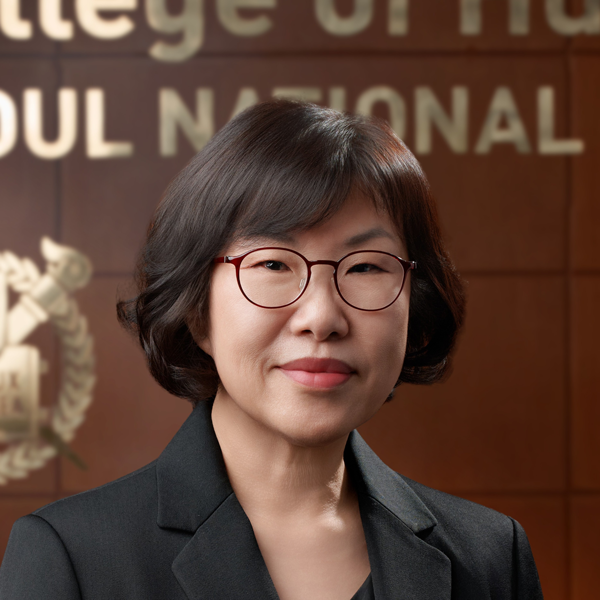

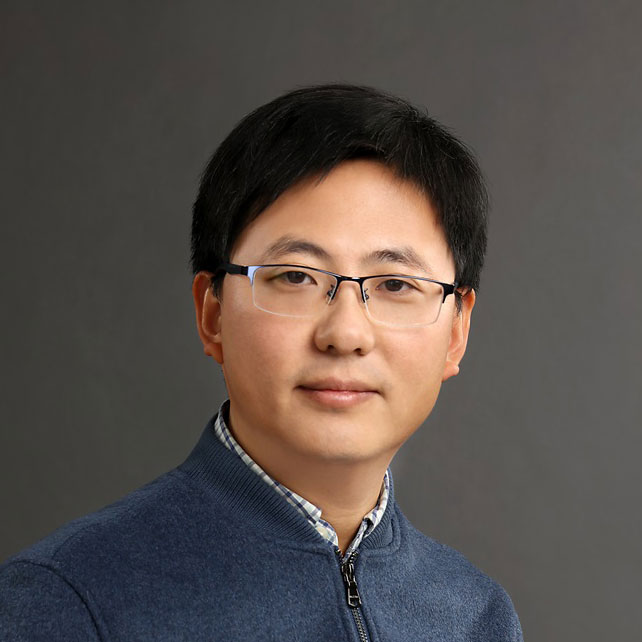

Sydney
Director of Bezos Center for Sustainable Protein
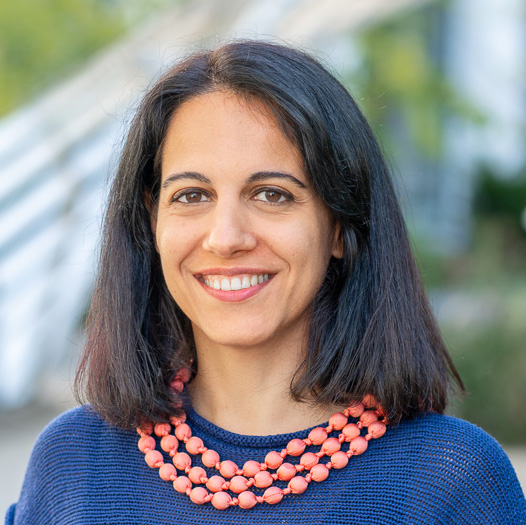
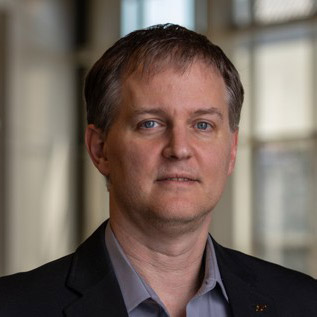

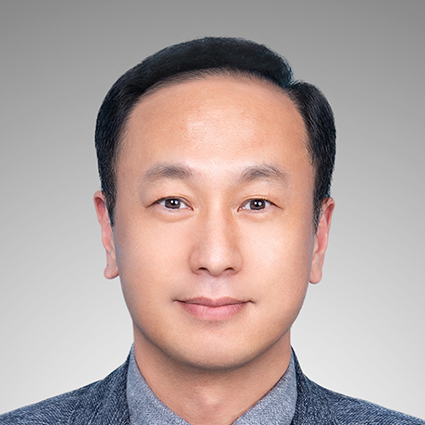
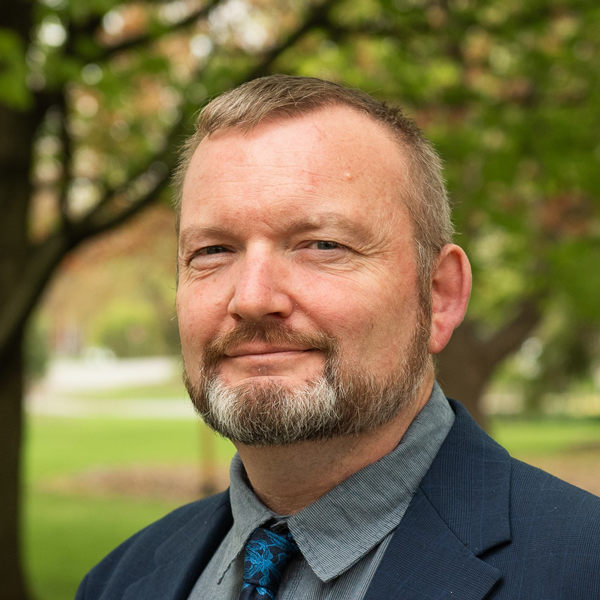

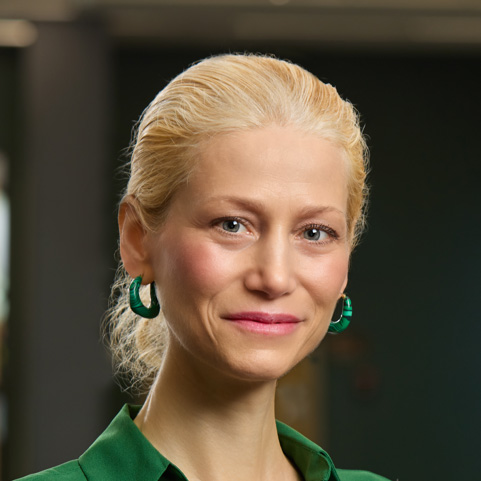
Leonie Heilbronn
Professorial Research Fellow
Adelaide University, School of Medicine, College of Health
PROFESSOR LEONIE HEILBRONN is an internationally recognised clinical research scientist based within the School of Medicine at Adelaide University and the Lifelong Health Theme at the South Australian Health and Medical Research Institute (SAHMRI). Her work integrates clinical trials, mechanistic physiology, and translational science to understand how interventions such as energy restriction, intermittent fasting, and time-restricted eating impact glucose metabolism, insulin sensitivity, and long-term disease risk. Professor Heilbronn is known for translating fundamental science into practical strategies for disease prevention and management, with a strong focus on real-world impact and healthy aging. She has published more than 160 original research articles with more than 17,000 citations. She holds leadership positions in academia and research and is the immediate Past President of the Australian New Zealand Obesity Society and Editor-in-Chief for Obesity Research and Clinical Practice.
Title:
Nutrition and health aging – is meal timing a missing factor?
Synopsis:
Caloric restriction (CR) is the most robust dietary strategy for extending lifespan and delaying age-related disease across multiple species. In humans, CR improves health span by reshaping body composition, improving insulin sensitivity, dialling down inflammation, and meaningfully improves cardiometabolic risk, though sustained long-term CR remains a real challenge. Interestingly, when mice are put on CR, they don't just eat less, they eat all available food at once. Which means they must fast for extended stretches each day. That fasting behaviour turns out to matter. Fasting amplified the longevity benefit of CR in this species. Which raises an obvious question: is the same true in humans? Time-restricted eating (TRE), which confines intake to a consistent daily window, produces modest but sustained improvements in body weight, blood pressure, and blood lipids. But does it produce enough of an impact? This talk will present our latest research examining TRE alone, in combination with other dietary approaches and finally whether TRE extends the health benefits of caloric restriction in humans.Sung Nim Han
Professor
Department of Food and Nutrition, Seoul National University
Sung Nim Han is the professor at the department of Food and Nutrition at Seoul National University. She received PhD degree in Human Nutrition from Tufts University, USA and completed dietetic internship at Brigham and Women's Hospital, USA. She continued her research in the field of nutritional immunology as Scientist and Assistant Professor at JM USDA Human Nutrition Research Center on Aging at Tufts University until she moved to Seoul National University in 2007.
Dr. Han is a founding member of the Korean Society of Clinical Nutrition, where served as Vice President (2018-2019) and President (2021). She also served as Vice President (2021-2022) and President (2023) of the Korean Nutrition Society. In addition, she contributed to revision of the 2020 Korean Dietary Reference Intakes (KDRIs) and 2025 KDRIs. She is serving as Vice President of the Korean Society of Lipid and Atherosclerosis in 2026. She has been a member of the advisory committee for policies related to upcycled foods.
Dr. Han received several awards in recognition of her achievements in the field of nutrition. In 2019, she was awarded by the Korea Ministry of Health and Welfare for her outstanding contributions. She is also the recipient of NRP the most cited paper award from the Korean Nutrition Society (2019), the JLA award from the Korean Society of Lipid and Atherosclerosis (2023), and 2026 Friedman School Excellence in Nutrition Alumni Award (2026).
Dr. Han has authored more than 110 original and review papers and over 25 book chapters. Her 2018 review paper published in Nutrients has been cited 772 times (as of Feb 10, 2026). Her research focuses on alterations in vitamin and mineral metabolisms in chronic diseases such as obesity and diabetes; regulation of immune and inflammatory responses by vitamins and dietary lipids; changes in immunometabolism associated with chronic diseases; and the effects of genetic information disclosure on dietary intake and health related behaviors.
Title:
Vitamin D- mediated immunomodulation and its implications for metabolic diseases
Synopsis:
Vitamin D exerts diverse immunomodulatory effects that vary according to the immune cell types and physiological context, acting to either enhance or suppress immune responses. Conversely, both vitamin D metabolism and immune functions are influenced by disease status. Given the critical role of immune and inflammatory responses in the development and pathology of metabolic diseases, including obesity, diabetes, and cardiovascular diseases (CVD), nutritional status of vitamin D may substantially affect disease progression and outcomes.
Evidence from human studies consistently demonstrates an inverse association between vitamin D status and obesity, while animal studies have revealed dysregulated vitamin D metabolism in diet-induced obesity. Vitamin D has been sown to modulate adipose tissue biology, influencing processes ranging from adipocyte differentiation and adipocyte apoptosis to energy metabolism.
In animal models of diabetes, diabetic mice exhibited significantly lower natural killer cell activity. Vitamin D supplementation in diabetic mice resulted in increased NK cell activity, and a higher percentage of mature NK cells was associated with improved NK activity. Vitamin D supplementation also attenuated inflammatory responses in adipose tissue, as evidenced by reduced Il6, Ccl2, and Ager expression. In humans, the effects of vitamin D supplementation on type 2 diabetes prevention remain inconclusive, whereas more consistent evidence supports a protective role against type 1 diabetes.
Vitamin D may also influence cardiovascular physiology and pathology through its effects on endothelial cells, vascular smooth muscle cells, and cardiac cells. Although low vitamin D status has been associated with an increased risk of CVD, randomized intervention studies have not consistently demonstrated cardiovascular benefits of supplementation. Current evidence suggests that vitamin D supplementation may be most beneficial for correcting deficiency rather than achieving supraphysiological serum concentrations.
Collectively, these findings highlight the complex interactions between vitamin D, immune regulation, and metabolic disease and underscore the importance of maintaining adequate vitamin D status for metabolic health. This presentation will discuss the immunomodulatory roles of vitamin D and their implications for obesity, diabetes, and cardiovascular disease, with a focus on evidence from both experimental and clinical studies.
Mieke Uyttendaele
Professor
Department Food Technology, Safety & Health, Ghent University
Prof. Mieke Uyttendaele is Full Professor of Food Safety at Ghent University (UGent). She holds a Bio‑Science Engineering degree (1992) and a PhD in Applied Biological Sciences (1996). Her leadership roles include Faculty Director of Studies and Internationalization (2020–2025) and presently she chairs the Education group within ICA, the Association for European Life Science Universities. As a member of the Food Microbiology and Food Preservation Research Group at UGent, her work focuses on major foodborne pathogens - including Campylobacter, Listeria monocytogenes, Salmonella, Bacillus cereus and norovirus - covering detection methods, prevalence studies, control measures and risk profiling to support food safety management and microbiological criteria. She is the main author of the UGent book on microbiological guidelines and the ‘Pathogen-free food?’ book. She has published over 300 peer‑reviewed papers, supervised around 30 PhD students, and currently leads microbial hazard research within the EU FoodSafeR project.
Title:
Listeria and friends: managing food safety while embracing biodiversity in a world of fresh and minimally processed foods
Synopsis:
Listeria monocytogenes remains a major foodborne pathogen of concern in a society increasingly drawn to fresh and minimally processed foods. Using surveys, modelling and challenge testing, we examine its spread and growth potential. But Listeria has friends, and with every shift in the food system — whether aquaponics, last‑mile delivery, plant‑based diets, or precision fermentation — the cycle restarts: hazard identification, pathogen characterisation, risk assessment, and the search for effective food safety interventions and management strategies.
At the same time, growing recognition of microbiota dynamics in foods has sparked interest in exploiting microbial interactions and moving toward biological control of pathogens. Yet, reconciling food safety objectives with microbial diversity is far from straightforward. This is evident in the debate on the use of biopesticides such as Bacillus thuringiensis (Bt) in primary vegetable production, or in the evaluation of biosolutions such as protective cultures in sustainable food systems.
Moreover, ensuring food safety requires adequate food literacy. Moving beyond traditional risk communication towards accessible, actionable food safety information about Listeria and its “friends” is essential. The better we — and all stakeholders along the farm‑to‑fork chain — understand microbial risks, the more prepared we are to manage emerging hazards and incidents. Food safety, after all, is a never‑ending story.
Xiang Wang
Assoc. Professor
Department Food Quality and Safety, University of Shanghai for Science and Technology
Xiang Wang got his PhD degree in Applied Biological Sciences from Ghent University, Belgium. He further pursued research at University of Shanghai for Science and Technology (USST) and situated at the Department of Food Quality and Food Safety. His research area covers aspects of microbial analysis of foods and microbial food safety. He obtains the data on prevalence, behavior (predictive microbiology) and biological characteristics (including stress response) of foodborne pathogens (including antimicrobial-resistant bacteria) in foods and applying the data to microbial risk assessment in the food supply chain. He is a member of the Joint FAO/WHO Expert Meetings on Microbiological Risk Assessment (JEMRA) (2023-2027). He has published more than 150 research and review articles, as well as over 5 book chapters.
Ihab Habib
Assoc. Professor
Department of Veterinary Medicine, College of Agriculture and Veterinary Medicine, United Arab Emirates University, UAE
Ihab Habib is an Associate Professor in Epidemiology, Food Safety, and Veterinary Public Health at the United Arab Emirates University, where he founded and leads the Veterinary Public Health Research Laboratory (est. 2020). From 2015 to 2019, he was a Lecturer and Senior Lecturer in Veterinary Public Health and Epidemiology at Murdoch University, Australia. Dr Habib complete postdoctoral research at the Institute for Risk Assessment Sciences at Utrecht University, the Netherlands, and before at and the Faculty of Bioscience Engineering of Ghent University, Belgium. His research centers on One Health, food safety from farm to fork, foodborne AMR, and the genomic epidemiology and risk assessment of foodborne zoonoses. Ihab Habib has held academic and research roles in Europe, Australia, and the Middle East. He has co-authored more than 100 Scopus-listed articles and contributed as an expert for the Food and Agriculture Organization of the United Nations / World Health Organization Joint Expert Meetings on Microbiological Risk Assessment on controlling Campylobacter and Salmonella in poultry. He is a member of the WHO Technical Advisory Group on Risk-Benefit Assessment of Optimal Intake of Animal-Source Foods.
Title:
Tracing Foodborne Antimicrobial Resistance in the Genomic Era: A One Health Journey from Pets and Wildlife to Poultry and Retail Meat
Synopsis:
Foodborne antimicrobial resistance (AMR) is an emerging global threat to food safety and sustainable food production. Resistant bacteria and mobile resistance genes can move silently through food animals, processing environments, retail foods, humans, companion animals, and wildlife, challenging conventional surveillance systems that often detect AMR without explaining how it spreads. In a rapidly changing food landscape shaped by an increasingly complex supply chains, there is a growing need for high-resolution tools that can connect microbiological risk with actionable food science and One Health interventions.
This talk presents “a food veterinarian perspective” on foodborne AMR using recent evidence from the United Arab Emirates. The story begins with the detection of mobilizable colistin resistance gene (mcr-1.1) in multidrug-resistant Escherichia coli recovered from healthy dog and cat, a case that raised important questions about companion animals as sentinels of food-linked AMR circulation. This signal is then traced into supermarket chicken meat, where whole-genome sequencing revealed closely related mcr-1.1-positive colistin-resistant E. coli in retail broiler carcasses, sharing persistent clonal lineages and mobile plasmids. Thus, hypnotizing the potential dissemination of resistance across the food-humans/pets interface. Such interface was further explored through genome-based analysis of methicillin-resistant Staphylococcus aureus in retail red meat, where clinically (human) relevant lineages, virulence determinants, and multidrug resistance profiles highlight the contribution of handling, contamination, and food-chain interfaces to AMR movement. The story then extends beyond the conventional farm-to-fork model to wildlife conservation, through the detection of mcr-1.1-positive multidrug-resistant Salmonella Kentucky in captive Asian houbara bustard, genomically linked to poultry-associated isolates. Together, these cases show why the UAE is a strategic hub for foodborne AMR research: a global food-trade crossroads where humans, animals, food systems, and ecosystems intersect. They also demonstrate the added value of whole-genome sequencing for modern food science, enabling source tracking, plasmid characterization, transmission mapping, risk assessment, and evidence-based One Health strategies to protect food safety and human health.
Vince Sewalt
PhD, Principal Consultant
Sewalt Bioconsulting
Vince Sewalt has degrees in Animal Science from Wageningen Agricultural University and in Nutrition from Virginia Tech. After biotech post‐docs with Agriculture Canada and the Noble Foundation, Vince led R&D programs at Pioneer Hi-Bred and Kemin Industries. He then pursued Biotech Regulatory & Advocacy roles with Genencor/DuPont and founded the IFF Public Affairs team. Vince is passionate about capacity building in biotech acceptance & regulatory strategy for new applications and markets. He filed numerous GRAS notices and other submissions with US and Canadian regulatory agencies and has shared his insights in conferences and with trade associations, NGOs, and regulatory agencies such as the US FDA, US EPA, USDA and their counterparts in Argentina, Brazil, Canada, China, Indonesia, Malaysia, Taiwan, Thailand, and Vietnam. Vince has been an active board member of BIO, the Enzyme Technical Association, and New Harvest and reviewer/editor for the journal Industrial Biotechnology. Vince is a prolific author of publications in engineering biology and serves as scientific advisor and regulatory strategy consultant to academic and industry partners around the globe.
Cordelia Selomulya
Professor
University of New South Wales
Sydney
Professor Cordelia Selomulya is Head of the School of Chemical Engineering at UNSW Sydney and Research & Commercialisation Director of the Future Food Systems CRC. She is an internationally recognised leader in food engineering, with research spanning encapsulation, smart drying, protein functionality, and sustainable food processing. Her work bridges fundamental science and industrial application through extensive collaborations with global food and ingredients companies. Professor Selomulya is a Fellow of the Australian Academy of Technological Sciences & Engineering, Institution of Chemical Engineers, the Institute of Food Technologists, and a member of the Australian Research Council College of Experts. Her leadership focuses on translating advanced food engineering into scalable, resilient, and sustainable food systems.
Title:
Engineering Food Structures for Sustainable Food Systems
Synopsis:
Achieving sustainable food systems requires not only alternative ingredients, but also the ability to engineer structure and functionality that meet performance and consumer expectations. Plant‑based materials offer significant potential, however, translating them into high‑functioning food products remains a key scientific and technological challenge.1
This keynote presents a multiscale engineering framework linking molecular interactions to macroscopic functionality in future foods. Advances in protein and colloid engineering enable control of interfacial behaviour to stabilise emulsions,2 enhance encapsulation of sensitive compounds,3 and improve physicochemical stability through tailored protein–phenolic interactions.4 These approaches support robust and efficient food formulations during processing and storage.
At the product level, structured emulsion gels integrated within dual‑network matrices provide programmable thermal and mechanical properties.5 Such systems can reproduce the melting, texture, and stability of conventional foods, enabling the development of high‑performance plant‑based analogues.6-7
By integrating materials design, advanced characterisation, and scalable processing strategies, this work demonstrates how engineered food structures can accelerate innovation in sustainable food systems. This approach provides a pathway to develop functional, resource‑efficient, and scalable food solutions to support future global demand.
References
1. Kim W., Yiu, C. C.-Y., Wang, Y., Zhou, W., Selomulya, C. (2024). Toward Diverse Plant Proteins for Food Innovation. Advanced Science, 11, 2408150.
2. Kim. W., Wang, Y. Selomulya, C. (2025). Exploring the relationship between physicochemical stability and interfacial properties in pea/whey protein blend-stabilised emulsions. Food Hydrocolloids, 169, 111622.
3. Kim, W., Wang, Y., Vongsvivut, J., Ye, Q., Selomulya, C. (2023). On surface composition and stability of β-carotene microcapsules comprising pea/whey protein complexes by synchrotron-FTIR microspectroscopy. Food Chemistry, 426, 136565.
4. Kim, W., Zia, M., Naik, R., Ho, K., Selomulya, C. (2025). Effects of polyphenols from Tasmannia lanceolata on structural, emulsifying, and antioxidant properties of pea protein. Food Chemistry, 464(1), 141589.
5. Yiu, C. C.-Y., Wang, Y., & Selomulya, C. (2025). Double network as a design paradigm for structuring emulsion gels in food. Comprehensive Reviews in Food Science and Food Safety, 24(3), e70201.
6. Wang, Y., Yiu, C. C.-Y., Kim, W., Vongsvivut, J., Zhou, W., & Selomulya, C. (2026). Emulsion gels of oil encapsulated in double polysaccharide networks as animal fat analogues. Food Hydrocolloids, 171, 111807.
7. Yiu, C. C.-Y., Kim, W., Gunawan, I. C., Vongsvivut, J., Wang, Y., & Selomulya, C. (2026). A dual polysaccharide and plant protein system for cheese analog with enhanced meltability and texture. Food Hydrocolloids, 171, 111850.
Rohan A. Shirwaiker
Professor
Industrial & Systems Engineering
Director of Bezos Center for Sustainable Protein
Rohan A. Shirwaiker is the James T. Ryan Distinguished Professor in Industrial & Systems Engineering and Director of the Bezos Center for Sustainable Protein at NC State University. He is an interdisciplinary educator, researcher, and thought leader working at the intersection of advanced manufacturing and biotechnology. His technical expertise spans product, process, and systems engineering for regenerative medicine and sustainable food applications. Shirwaiker is a Fellow of IISE and a recipient of awards including the NSF CAREER and SME Outstanding Young Manufacturing Engineer. At the Bezos Center at NC State, he leads a diverse team of researchers, educators, and trainees working alongside industry collaborators to address critical precompetitive challenges in the biomanufacturing of plant-based, cell-cultivated, and fermentation-enabled proteins. He is also deeply engaged in professional service, holding leadership roles in various regional, national, and international scholarly and community initiatives.
Title:
Closing the Loop in Cultivated Meat Production: Opportunities for Microalgae-Enabled Nutrient Recycling
Synopsis:
Cell culture media remain a major contributor to the environmental impacts and production costs of cultivated meat. Circular production strategies offer an opportunity to improve system sustainability through the recovery and reuse of nutrients from spent culture media. This talk highlights recent modeling studies evaluating the potential of microalgae-enabled nutrient recycling to improve the sustainability and economics of cultivated meat production. Life-cycle assessment results indicate that iterative medium recycling can reduce environmental impacts by 42–80%, primarily through reductions in growth factor demand, while also revealing tradeoffs associated with increased recycling intensity and microalgae cultivation requirements. Growth factor production, energy use, and nutrient recovery efficiency emerge as key drivers of system performance and priorities for future innovation. Complementary techno-economic analysis provides context on the economic implications of circular production strategies. Collectively, these findings illustrate the potential of circular bioeconomy principles to reduce both the environmental footprint and resource demands of cultivated meat production while highlighting key priorities for future research and technology development.
Antonella Di Pizio
Associate Professor of Chemoinformatics and Protein Modelling
Leibniz Institute for Food Systems Biology at TUM
Antonella Di Pizio is an Associate Professor of Chemoinformatics and Protein Modelling at the Technical University of Munich (TUM). Since 2018, she has led the Molecular Modelling Group at the Leibniz Institute for Food Systems Biology. Her current research focuses on the molecular mechanisms of taste and olfactory perception. Prof. Di Pizio is committed to digitising food molecular systems and developing predictive models that align food technology with human health and sensory preference, thereby facilitating data-driven food transformation.
Jeffrey P Youngblood
Professor
School of Materials Engineering, Purdue University
Professor Jeffrey P. Youngblood received degrees in Chemistry and Physics at Louisiana State University and a Ph.D. at the University of Massachusetts-Amherst in the Department of Polymer Science and Engineering under the direction of Professor Thomas McCarthy. After postdoctoral work at Cornell’s Materials Science and Engineering Department under direction of Professor Christopher Ober, in 2003 Professor Youngblood accepted a position in the School of Materials Engineering at Purdue University as the first polymer person in the department. There, he investigates nanotechnology, surface science, and advanced processing. Recently, he has been specifically interested in ceramic processing using polymeric methods, additive manufacturing, infrastructure materials and sustainable materials, specifically with regards to cellulose nanocomposites and food packaging.
Title:
Cellulosic nano- and microparticle biobarriers for sustainable consumer
Synopsis:
Barrier materials are ubiquitous in consumer materials. They are used to prevent oxygen permeation in food packaging, water barrier for protective coatings and fuel barrier for flame retardancy. However, many of the materials utilized to perform these functions are not sustainable. Fortunately, nature has already solved many of these problems. Here a discussion of some selected research into utilizing cellulose as barrier layers in food packaging will be presented, specifically cellulose nanocrystals (CNCs) and microfibrilled cellulose (MFC). These cellulosic materials have gained a lot of notice recently owing to their impressive mechanical and thermal properties, environmental benefit, low toxicity and possible low cost. Processing, characterization and resultant package level testing will be presented. The results show that the packages are equal to or better than many commercial packaging plastics in a variety of properties. Scaleup efforts may be discussed.Dr Oliver Watkins
Analytical Food Chemist (Metabolomics)
TUMCREATE
Dr Oliver Watkins is a research fellow at the TUMCREATE research institute in Singapore where he manages the mycotoxin and vitamin research team. His current research focuses on using LCMS to quantify analytes that are often missed by traditional methods such as modified and emerging mycotoxins and glycosylated vitamers. These methods are then used to explore how novel agricultural and industrial processing systems impact food safety and nutrition. He is also working to explore the effects of the fecal microbiome on mycotoxin risk and whether faecal biomonitoring can be used to assess mycotoxin risk in the Singaporean population.
Title:
Emerging mycotoxins: Do we underestimate risk?
Synopsis:
Mycotoxins are toxic fungal metabolites commonly found in food. Acute exposure causes hepatotoxic and nephrotoxic poisoning, whilst low dose chronic exposure is associated with immunosuppressant, carcinogenic and teratogenic effects. Indeed, the ‘First Total Diet Study of Aflatoxins in Singapore’ suggested that consumption of aflatoxin contaminated foods like satay-sauce is associated with additional liver cancer cases in Singapore.
Mycotoxins can emerge during crop growth, food storage or during processing but cannot easily be removed due to metabolite stability. Thus, risk reduction relies on reliable mycotoxin detection and on regulatory frameworks that prevent the sale of contaminated food. However, current regulations only monitor a small proportion of mycotoxins, and many mycotoxins are not quantified by commercial methods. Furthermore, even regulated mycotoxins are often “modified” with sulphate or sugar derivatisations rendering them invisible to accredited quantification methods. However, such masking does not abate risk, since gut bacteria may cleave these attachments, releasing the parent toxin.
In this talk we discuss how to assess the risks of modified and emerging mycotoxins and explore how better quantification can improve safety. In particular, we focus on how new methods are essential in a world where changing climate, shifting diet and novel foods bring novel risks. We also discuss how biomonitoring can be utilised to better assess mycotoxin consumption and how diet, gut enterotype and hepatitis B prevalence may modify mycotoxin risks.
Hyun-Gyun Yuk
Associate Professor
Chung-Ang University, Department of Food Science and Biotechnology
Dr. Hyun-Gyun Yuk received his Ph.D. in Food Microbiology and Safety from the Department of Food Science and Technology at Mississippi State University, USA, in 2003. He subsequently completed postdoctoral training at the University of Florida from 2004 to 2007. From 2007 to 2009, he worked as a Research Food Technologist in the Food Safety Intervention Technologies Research Unit at the Eastern Regional Research Center (ERRC) of the United States Department of Agriculture (USDA), Agricultural Research Service (ARS). In 2009, he joined the National University of Singapore as an Assistant Professor in the Food Science and Technology Programme. He is currently serving as an Associate Professor in the Department of Food Science and Biotechnology at Chung-Ang University, Korea.
As a professional food microbiologist, Dr. Yuk has a strong interest in microbiological food safety and specializes in the development of novel non-thermal intervention technologies using light-emitting diodes (LEDs), as well as in elucidating bacterial stress response mechanisms. He has served as an Editor of Food Control and as an editorial board member for several journals in the fields of food science and microbiology. To date, Dr. Yuk has authored or co-authored more than 130 publications in internationally recognized peer-reviewed journals.
Title:
Visible-Light Photodynamic Inactivation: Toward Sustainable Food Safety and Spoilage Mold Control
Synopsis:
Photodynamic inactivation (PDI) using visible light is a promising non-thermal technology for improving microbiological food safety and extending the shelf life of fresh produce[1]. PDI is based on the excitation of endogenous or exogenous photosensitizers by specific wavelengths, resulting in reactive oxygen species (ROS) generation and subsequent oxidative damage to microbial cells[2]. Among visible-light technologies, 405 nm light-emitting diode (LED) illumination has attracted considerable attention because of its antimicrobial efficacy, residue-free nature, and applicability to food systems. Previous studies have demonstrated that 405 nm LED-mediated PDI can effectively inactivate major foodborne pathogens, and mechanistic investigations have revealed oxidative damage to multiple cellular targets as a major basis for its antibacterial action. More recently, interest has expanded from bacterial control to the management of spoilage molds in fruits and vegetables. Postharvest fungal spoilage is a major cause of quality loss and economic damage, while conventional fungicide-based interventions face increasing limitations due to residue concerns and consumer demand for safer alternatives. In this context, 405 nm LED illumination has shown potential as an antifungal strategy by suppressing spore germination, reducing viable fungal populations, and delaying visible mold development on fresh produce. In particular, recent work has demonstrated that 405 nm LED treatment can effectively control Rhizopus stolonifer on tomatoes[3]. In addition, combining 405 nm LED with natural photosensitizers such as riboflavin offers a practical approach to further enhance antifungal efficacy. This keynote presentation will summarize recent advances in 405 nm LED-based PDI, from its broader significance in food safety to its emerging application in controlling fruit and vegetable spoilage molds. Particular emphasis will be placed on antifungal efficacy, possible inactivation mechanisms, and the feasibility of applying this technology as a sustainable postharvest preservation strategy.
References
[1] V. S. Ghate, W. Zhou, H. G. Yuk, "Perspectives and Trends in the Application of Photodynamic Inactivation for Microbiological Food Safety" Compr. Rev. Food Sci. Food Saf. Vol. 18, pp. 402-424, 2019.
[2] M. J. Kim, H. G. Yuk, "Antibacterial Mechanism of 405-nanometer Light-emitting Diode against Salmonella at Refrigeration Temperature” Appl. Environ. Microbiol. Vol. 83, pp. e02582-16, 2017.
[3] W. J. Ki, W. S. Choi, W. Zhou, H. G. Yuk, “Antifungal Effect of Riboflavin Combined with 405 nm Light-emitting Diode Illumination on Rhizopus stolonifer and Application for Tomato Preservation” Postharvest Biol. Technol. Vol. 231, pp. 113886, 2026.
Stéphane Bayen
Professor
Department of Food Science and Agricultural Chemistry, McGill University
Dr Stéphane Bayen is a Professor in the Department of Food Science and Agricultural Chemistry at McGill University. After completing a doctorate in analytical chemistry at the National University of Singapore, he carried out research in Switzerland and Singapore on chemical contaminants. Over the last ten years, he has established an independent research program, focused on the development of innovative approaches to perform non-targeted analysis of chemical substances in various matrices (food, breast milk, air, water, soil, etc.) using high-resolution mass spectrometry. Its research activities are mainly in the broad areas of food analysis, food authenticity and exposure assessment with the application of a better knowledge of the human exposome. Stéphane Bayen is the author or co-author of over 120 scientific publications and >250 presentations, and received the Agilent Thought Leader Global Award in 2021.
Title:
Impact of climate change on food quality, safety, and authenticity: food fingerprinting as a tool to address emerging challenges.
Synopsis:
Climate change is widely acknowledged as a major factor driving the emergence and spread of foodborne pathogens across the food supply chain. Far less attention, however, has been given to how shifts in temperature, rainfall patterns, atmospheric CO₂, and UV exposure influence food quality and chemical contamination. In the first part of this presentation, we will review the current state of knowledge on how climate change affects food quality, sensory properties, and subsequent food processing, using Canada as an illustrative example. We will also examine how climate change can influence food contamination, both directly and indirectly. In the second part, the coupling of high‑resolution mass spectrometry with advanced data‑processing tools will be (re)introduced as a powerful approach for the rapid characterization of thousands of chemicals in food matrices. This strategy enables the generation of large chemical fingerprints for each food sample, offering new perspectives for assessing food quality, food safety, and food authenticity, particularly in the context of climate change. These fingerprints can be explored to identify new toxins, emerging contaminants, or subtle shifts in composition and flavor profiles. Specific applications of suspect and non‑targeted analysis in agri‑food systems will be presented. Large‑scale application of HRMS to monitor food matrices can provide essential information to (i) document the impacts of climate change on food supplies and (ii) implement early‑warning systems to detect emerging threats.
Astrid Spielmeyer
German Federal Institute for Risk Assessment, Reference Centre for Food and Feed Analysis
Dr. Astrid Spielmeyer holds a PhD in Bioanalytical Chemistry, focusing on zwitterionic plankton metabolites. During her postdoc and Habilitation, she investigated the behavior of veterinary antibiotics in environmental matrices. Currently, she is a Senior Researcher at the German Federal Institute for Risk Assessment (BfR) in Berlin, working in the Reference Centre for Food and Feed Analysis and the National Reference Laboratory for the Monitoring of Marine Biotoxins. Her research focuses on ciguatoxins, including applied approaches to outbreaks such as ciguatera poisoning, along with development of analytical methods for seafood safety. She has provided ciguatoxin analysis training to national reference laboratories and university participants with a strong focus on enhancing international ciguatoxin detection capabilities.
Title:
”Here to stay“ – Ciguatoxins and ciguatera in the EU
Synopsis:
Ciguatoxins (CTXs) are a group of marine biotoxins, encompassing over thirty different analogues that can contaminate marine food webs. Consuming seafood containing CTXs can result in ciguatera poisoning (CP), the most common non-bacterial, seafood-related illness worldwide. The most defining symptoms are the reversal of temperature sensation (‘hot-cold reversal’) or cold dysesthesia.
Two commonly applied methods for CTX analysis are a cell based in vitro cytotoxicity assay (neuro2a-assay) and LC-MS/MS. Analyzing CTXs is challenging as they occur in complex tissue in trace amounts (<1 μg/kg). Currently, no standard operating protocols exist for sample preparation or analysis. Certified reference materials or certified standards are not available, hampering quantification of CTXs as shown within a recent LC-MS/MS method comparison study.
Both analytical methods were used in our institute to investigate samples related to CP outbreaks. Since 2012, there have been repeated CP outbreaks in Germany, the latest occurred in October 2025. Outbreaks were caused primarily by imported snapper fish (Lutjanidae), in several cases product mislabeling was found (i.e., different species). Beyond importation into the European Union, CTX producers have expanded into new regions, including EU territories. Species of (potentially) CTX producing genera are now found in the Mediterranean Sea. Due to autochthonous CP outbreaks, the Canary Islands have established a comprehensive CTX monitoring program to manage the risk of CP.
Eva Almenar
Professor of Food Packaging
Michigan State University
Dr. Eva Almenar is a Professor of Food Packaging in the School of Packaging at Michigan State University (USA) and a Fellow of the Institute of Food Technologists (IFT). She has over 20 years of experience in extending food shelf life and ensuring its safety by designing packaging using a holistic approach that balances food requirements with supply chain logistics and environmental impact, with a focus on fresh produce. She has over 75 publications, primarily as first or corresponding author, and has been invited to deliver 27 talks worldwide. The research work of her team has been highlighted in the media including newspapers like the New York Times, the Washington Post, and the BBC News and trade magazines like Quality Assurance & Food Safety and Produce Business. She is the past chair and current active member of (1) the NIFA-USDA Multi-State Research Project S-294: Postharvest Quality and Safety of Fresh-cut Vegetables and Fruits and (2) the IFT Food Packaging Division. She has been invited to showcase her packaging designs by the U.S. Department of Transportation and the International Fresh Produce Association.
David Fengwei Xie
Professor
College of Food Science, Southwest University
David Fengwei Xie is currently a Professor at the College of Food Science, Southwest University. He currently serves as an Editor for the internationally renowned journal Carbohydr. Polym. (Impact Factor = 12.5). Formerly a tenured professor at the University of Bath (UK), he was awarded the prestigious EPSRC Fellowship by the UK Engineering and Physical Sciences Research Council (EPSRC) (1.63 million GBP) and was twice granted the EU Marie Skłodowska‑Curie Fellowship.
Professor Xie possesses an interdisciplinary background in food/polymer science and engineering. His research focuses on elucidating the unique structure–property relationships of natural and edible polymers, overcoming processing bottlenecks, and developing novel functional green materials and health‑oriented foods. He has published over 150 papers as first or corresponding author, including six papers with impact factors exceeding 30 and six highly cited papers listed in ESI. His work has been cited over 16,000 times with an H-index of 68 (Google Scholar). He has been listed among the "World's Top 2% Scientists" by Stanford/Elsevier in 2024 and 2025.
Title:
From Agricultural Waste to Precision Nutrition: Unlocking Rapid-Gelating, Multi-Scale Structured Starches for High-Fidelity 3D Food Printing
Synopsis:
The demand for personalized, functional foods has driven intense interest in 3D food printing, yet conventional starch-based inks are constrained by slow gelation kinetics, poor shape fidelity, and the need for chemical modification. This presentation introduces a sustainable strategy that valorizes underutilized agricultural byproducts—Millettia speciosa seeds and rhizomes [1], ginger rhizome residues [2], and rambutan seeds [3]—as sources of novel starches with intrinsically tailored gelation behaviors for high-precision printing. Through systematic multi-scale structural analyses, we demonstrate that rapid-gelating starches from ginger (Curcuma phaeocaulis and C. longa) and rambutan seed (BR-7 variety) achieve gelation within 1–10 minutes at low concentrations (6–15% w/v), which is up to 11 times faster than conventional pea or potato starches. The mechanism is driven by high amylose content synergizing with abundant short amylopectin chains to form dense, hydrogen-bonded networks, while appropriate closed-pore structures mitigate syneresis and dehydration. These structural features confer excellent shear-thinning rheology and >95% printing accuracy, with printed constructs meeting IDDSI Level 5 (minced & moist) standards for dysphagia diets. Moreover, the starches exhibit highly desirable digestive profiles: C. longa starch contains 44.6% resistant starch, while rambutan seed starches provide 70–73% slowly digestible starch, supporting prolonged glycemic control and gut health. In parallel, M. speciosa starches display superior thermostability and printability at low concentrations, expanding the library of functional 3D-printable materials. This work pioneers a “waste-to-3D-ink” paradigm, demonstrating that by deciphering structure–property relationships at the chain-length, lamellar, and granular levels, we can design precision food architectures without relying on external additives. The findings open new avenues for sustainable, health-focused food manufacturing, offering customizable nutrition for the elderly, dysphagia patients, and personalized diet applications.
References
[1] Y. Yan, Z. Huang, Z. Zhu, F. Xie, T. Yang, L. Zeng, Z. Jiang, J. Du, Y. Chen, D. Niu, “Natural starches suitable for 3D printing: Rhizome and seed starch from Millettia speciosa champ, a non-conventional source”, Carbohydr. Polym., Vol. 351, Article 123104, 2025.
[2] R. He, S. Li, J. Wang, Z. Zhu, W. Luo, K. Pan, F. Xie, Y. Chen, T. Yang, “Rapid-gelating starch from potential ginger processing waste: Multi-scale structural analysis enabling high-precision 3D printing for health-focused food applications”, Food Hydrocolloids, Vol. 172, Issue 3, Article 112130, 2026.
[3] R. He, Y. Li, X. Lin, B. Xu, X. Huo, W. Zhang, T. Yang, G. Zhong, F. Xie, Y. Chen, “Structural determinants of gelation kinetics in rambutan seed starches: Implications for enhanced precision in 3D food printing”, Carbohydr. Polym., Vol. 380, Article 125024, 2026.
Song Miao
Distinguished Professor, Vice-dean for academic affairs
College of Food Science, Fujian Agriculture and Forestry University, China
Prof. Song Miao, PhD is Vice-Dean for Academic Affairs at the College of Food Science, Fujian Agriculture and Forestry University, and Director of the Joint Research Centre for Food Materials Science and Structure Design. Previously, he was a permanent Senior Research Officer at the Teagasc Food Research Centre and held adjunct professorships at University College Cork, University College Dublin, and Trinity College Dublin. He also worked in global R&D at Unilever. He has over 30 years’ research experience in the food science and technology areas and contributed to more than 350 scientific publications in a form of international peer-review journal articles, book chapters and conference papers (H-index 60; >12,000 citations; Recognized as a Clarivate Highly Cited Researcher and listed among the world’s top 2% scientists since 2021) . His research interests cover physio-chemical properties of biomaterials, dehydration and granulation, foods structural and textual designs, powder technology, state transition and phase transition in foods, encapsulation of functional food ingredients, functional delivery, stabilization of probiotic and dairy ingredients, dairy technology, plant-based ingredients. His current research programme in FAFU focus on designing food products by understanding materials product behaviour and the underlying physics of structuring processes and the behaviour of foods in processing and physiological environment.
Title:
Engineering Hybrid Plant–Dairy Protein Gels for Sustainable Food Systems
Synopsis:
The transition towards sustainable food systems has accelerated interest in plant proteins as alternatives to animal-derived proteins. However, significant challenges remain in achieving the functionality required for structured food applications, particularly in gel-based products. This study investigates the structure–function relationships of representative plant proteins (soy, pea, lentil, and chickpea) and dairy proteins (whey protein isolate and casein micelles) under different pH conditions, with a focus on gelation behavior and protein interactions.
Distinct differences were observed between plant and dairy proteins in terms of solubility, interfacial properties, water-holding capacity, and gel-forming ability. Protein functionality was strongly dependent on both protein source and pH, reflecting differences in molecular structure, aggregation pathways, and crosslinking mechanisms. To improve the performance of plant proteins in gel systems, hybrid plant–dairy protein networks were engineered using thermal treatment and microbial transglutaminase (MTGase). The results demonstrated that targeted protein structuring can significantly enhance gel strength, water retention, and microstructural uniformity. Notably, enzymatic crosslinking enabled the replacement of up to 25% of casein with lentil protein while maintaining comparable gel functionality.
These findings provide mechanistic insights into protein gelation and offer practical strategies for developing hybrid and plant-forward food products. The study highlights the potential of protein structure design as a key approach for bridging functionality gaps between plant and dairy proteins and advancing sustainable food innovation.